Image
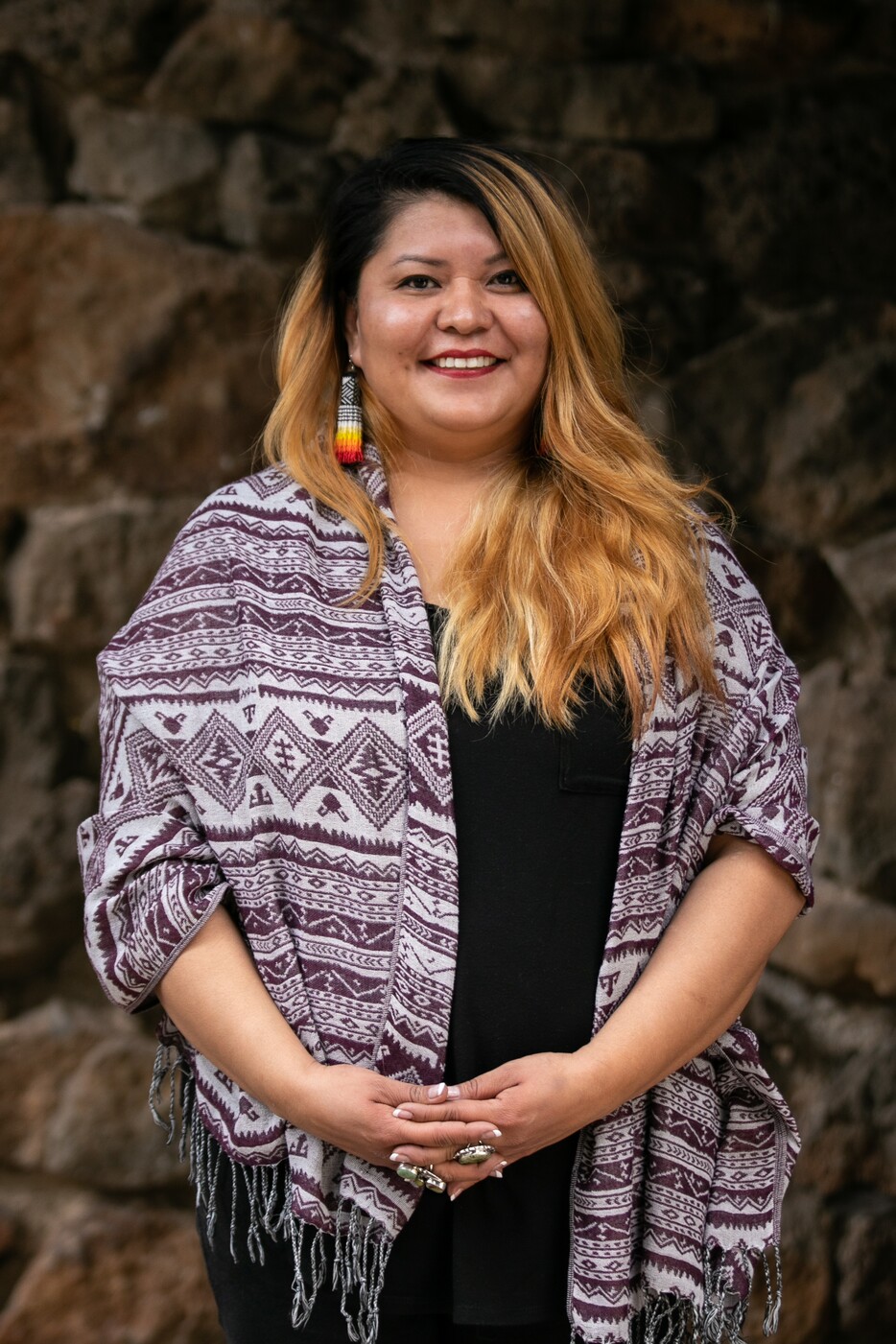
In the COP31 Climate Special Broadcast, Waseem Ahmad Siddiqui speaks with Talia Boyd of the Indigenous Environmental Network about the devastating impacts of uranium mining on Indigenous peoples and the environment, the problem of nuclear waste, and the ongoing struggle against nuclear colonialism.
Waseem Ahmad Siddiqui: So, we are here at the “No Nuclear, Climate Nukes” march, and I’m joined by a participant. Could you please introduce yourself and tell us about the key demands of this protest concerning the very important issue of nuclear energy?
Talia Boyd: Thank you. My name is Talia Boyd. I'm the mining organizer for the Indigenous Environmental Network, and I'm also an anti-nuclear advocate. I come from the Navajo Nation in the United States, and my homelands have been heavily impacted by the nuclear fuel chain, particularly its front end, including uranium mining, milling, transportation, and waste.
In my homeland, we have over 1,000 abandoned uranium mines, courtesy of the military-industrial complex. Today, we're still fighting for comprehensive studies of the cumulative impacts, including studies of our water, health, soil, and air. These are resources and opportunities that we have not been provided.
I'm here today to ask our relatives around the world to stand in solidarity with us. As Indigenous peoples, we know that uranium deposits are often located on or near Indigenous lands and communities. Therefore, we know the true cost of nuclear colonialism.
We also have to talk about nuclear waste and how carbon-intensive the nuclear fuel chain is, especially at the front end, because it requires enormous amounts of fossil fuels. Oil and gas are needed to operate the heavy equipment used in mining and to transport uranium around the world. This makes the process extremely carbon-intensive.
People often focus on the back end of the nuclear fuel chain, but nuclear energy is neither green nor clean. The entire process is highly carbon-intensive and water-intensive. Our Indigenous communities are on the front lines, so we know the true cost of nuclear colonialism.
I also want to highlight the different waste streams being sent to the United States from countries around the world. These include waste from the nuclear fuel chain originating in Japan and the Baltic nation of Estonia, which is being sent to the White Mesa Mill in southeastern Utah.
The White Mesa Mill is the last operating conventional uranium mill in the United States. It is located just four miles from the Ute Mountain Ute Reservation, whose communities are being severely impacted by the waste coming from this facility.
These waste streams contain highly radioactive and toxic materials that can easily become airborne and affect communities downwind of the facility. There is also the desecration of sacred landscapes and the contamination of local water sources.
These are real issues, and they are creating situations in which Indigenous communities are being pitted against one another.
I also want to point out that uranium mined from our homelands in the American Southwest was used to build the atomic bombs dropped on Hiroshima and Nagasaki in Japan.
This goes against our fundamental beliefs as Indigenous peoples: taking something from the Earth and using it to harm and kill other Indigenous peoples around the world.
To this, we say no. We demand justice, and we ask for solidarity from all our relatives across the globe who are confronting nuclear colonialism.
W.A.S.: Thank you, Talia. Power to you and your struggle.
T.B.: Thank you.
W.A.S.: Thank you so much. Nice meeting you.
Who is Talia Boyd?: Talia Boyd is an anti-nuclear activist from the Navajo Nation in the United States and a mining organizer with the Indigenous Environmental Network (IEN). She works to combat the impacts of uranium mining on Indigenous peoples and the environment.