Image
Bir metal festivalini büyüklüğünden bağımsız olarak önemli kılan nedir? Norveç’teki Beyond the Gates ve Inferno’nun organizatörü Åsmund Prytz ile Çekya’daki Brutal Assault’un organizatörü Tomas Fiala; sürekliliği, bağımsızlığı, genç izleyiciyi, festivallerin geleceğini ve İstanbul’un Avrupa metal haritasındaki yerini konuşuyoruz.
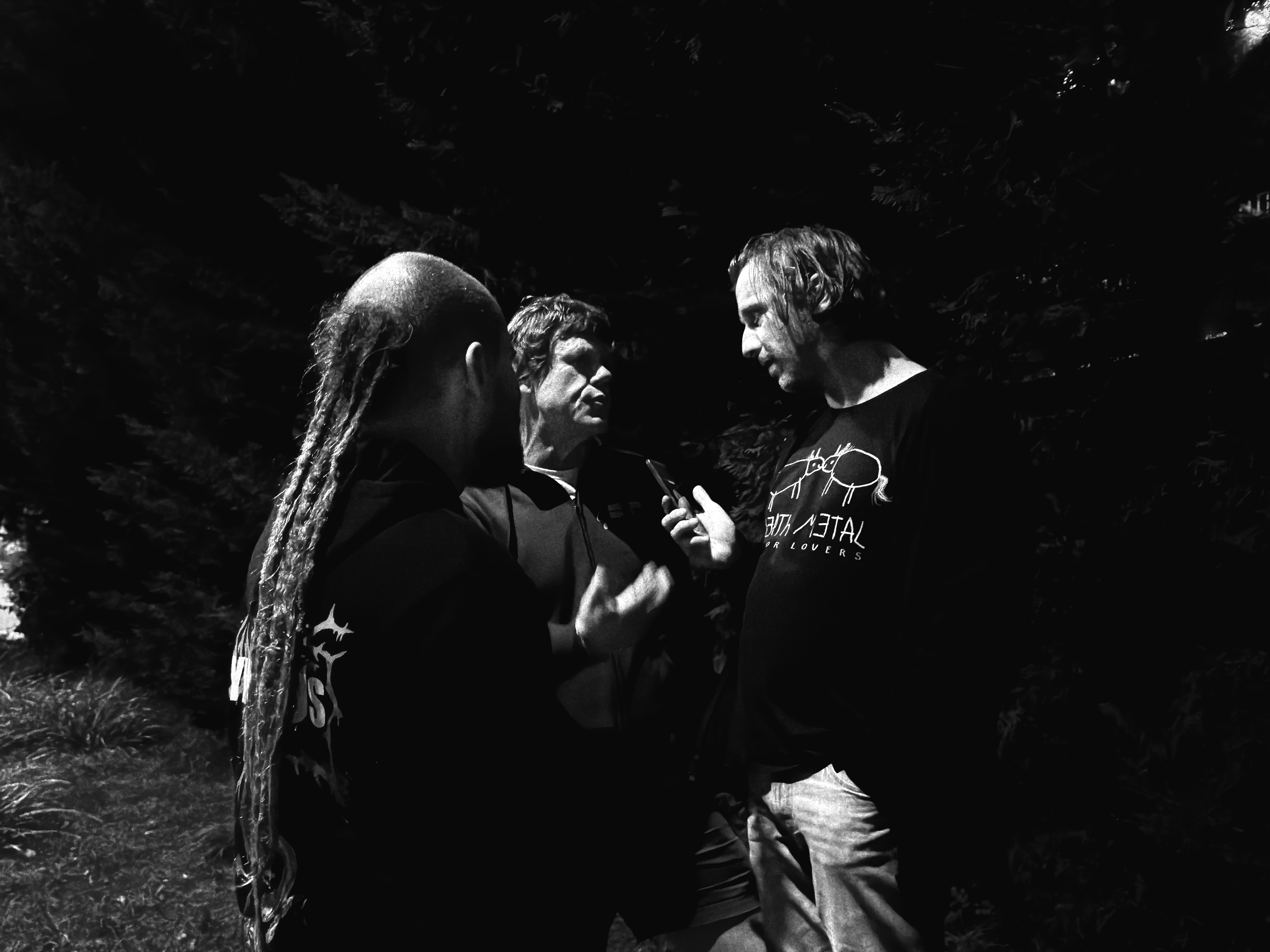
Avrupa metal sahnesinin önemli festivallerinden üçünün arkasındaki isimlerle İstanbul’da buluşmak, festivalciliğin yalnızca program ve grup seçmekten ibaret olmayan tarafına bakmak için de iyi bir fırsattı. Norveç’teki Beyond the Gates ve Inferno’nun organizatörü Åsmund Prytz ile Çekya’daki Brutal Assault’un organizatörü Tomas Fiala ile Bosphorus Open Air Metal Festival’in ilk gününde bir araya geldik.
Sohbetimiz, festivallerinin kendine özgü karakterinden genç izleyiciye ulaşma meselesine, bağımsız kalmanın ve finansal sürdürülebilirliğin zorluklarından festivallerin gelecekte nasıl bir biçim alabileceğine ve İstanbul’un Avrupa metal sahnesindeki potansiyeline uzandı.
Küçük ölçekte, büyük etki
İlksen: Avrupa’dan, iki büyük—hatta belki üç büyük—metal festivalinin organizatörleriyle İstanbul’da söyleşi yapmak biraz tuhaf ve güzel bir durum. Brutal Assault, Beyond the Gates ve Inferno’nun organizatörleriyle Bosphorus Open Air Metal Festival sırasında tanışma fırsatımız oldu. Öncelikle zaman ayırdığınız için teşekkür ederim.
Şu anda aslında bir otoyolun hemen yanında kayıt yapıyoruz. O yüzden dinleyicilerimiz arka plandaki sesleri mazur görsün. Bir yandan da Moonspell çalıyor ve grubun setinin çok büyük bir bölümünü kaçırmak istemiyoruz. O yüzden başlayalım: Festival ve şehir hakkındaki ilk izlenimleriniz neler?
Åsmund Prytz: Ben Åsmund Prytz. Norveçliyim ve Beyond the Gates ile Inferno’da çalışıyorum.
“Büyük festivaller” dediğinizde, aslında bu iki festival oldukça küçük. Kapasiteleri yaklaşık 1.500, 2.000, 2.500 kişi civarında. Ama Norveç açısından bu, bir bakıma büyük sayılır; çünkü Norveç’in nüfusu çok fazla değil.
Ama bu festivallerin başka bir önemi var. Yaptıkları programlamayla çoğu festivalin biraz önünde duruyorlar. Çok iyi programlar hazırlıyorlar ve gidilmesi, görülmesi gereken önemli festivaller olarak kabul ediliyorlar.
Metal festivali görmek istiyorsanız, bu festivallerden birine gitmelisiniz.
İlksen: “Büyük” derken kültürel etkileri açısından büyük olduklarını kastetmiştim.
Åsmund Prytz: Etkileri gerçekten çok büyük. Seyirci ve kapasite açısından en büyük festivaller değiller ama çok iyi festivaller. Yeni gruplar keşfetmek, deneyimli grupların neler yaptığını görmek için çok güzel yerler.
İlksen: Peki sizce bütün bu yıllar boyunca bu festivallerin önem kazanmasını sağlayan ne oldu?
Åsmund Prytz: Bence burada kilit kelimeler “bütün bu yıllar”. Çünkü çok, çok uzun zamandır istikrarlı bir şekilde aynı şeyi yapıyorlar.
Inferno 20 yılı aşkın süredir, Beyond the Gates ise 15 yıldır devam ediyor. Ama aynı zamanda Norveç’te Bergen’in tarihinden de besleniyorlar. Bergen’in black metalin kökleriyle çok güçlü bir bağlantısı var.
Yani bir tarih ve miras üzerine inşa ediyorlar ama aynı zamanda yeni grupları ve yeni izleyicileri de işin içine katmaya çalışıyorlar. Bence bu festivallerin başarısının formülü biraz burada yatıyor.

Yeni bir kuşağı festivale dahil etmek
İlksen: Biraz da izleyiciden söz edelim. Yeni bir izleyici geliyor mu? Genç kuşaklar festivallere katılıyor mu?
Åsmund Prytz: Metal festivallerinden söz ettiğimizde bu her zaman biraz karmaşık bir konu. Çünkü kabul edelim, insanların çoğu 40’lı yaşlarında, hatta daha da büyük.
Beyond the Gates, Bergen’de bu konuda çok akıllıca bir şey yapıyor. 14–18 yaş arasındaki çok genç insanları işin içine katmaya çalışıyorlar. Festivallerini tanıtma, gösterileri organize etme, sahnenin önünde, arkasında ve üzerinde yapılan işlere kadar sorumluluk veriyorlar.
Yani gençlerin işi yapmasına izin veriyorsunuz. Ve bu oldukça iyi çalışıyor gibi görünüyor. Üç-dört yıldır devam ediyor ve insanlar bundan memnun.
Yeni bir izleyici ve genç bir kuşak kazanmaya çalışırken yapılabilecek şeylerden en az biri bu.
Bir kaleyi kullanmayı öğrenmek
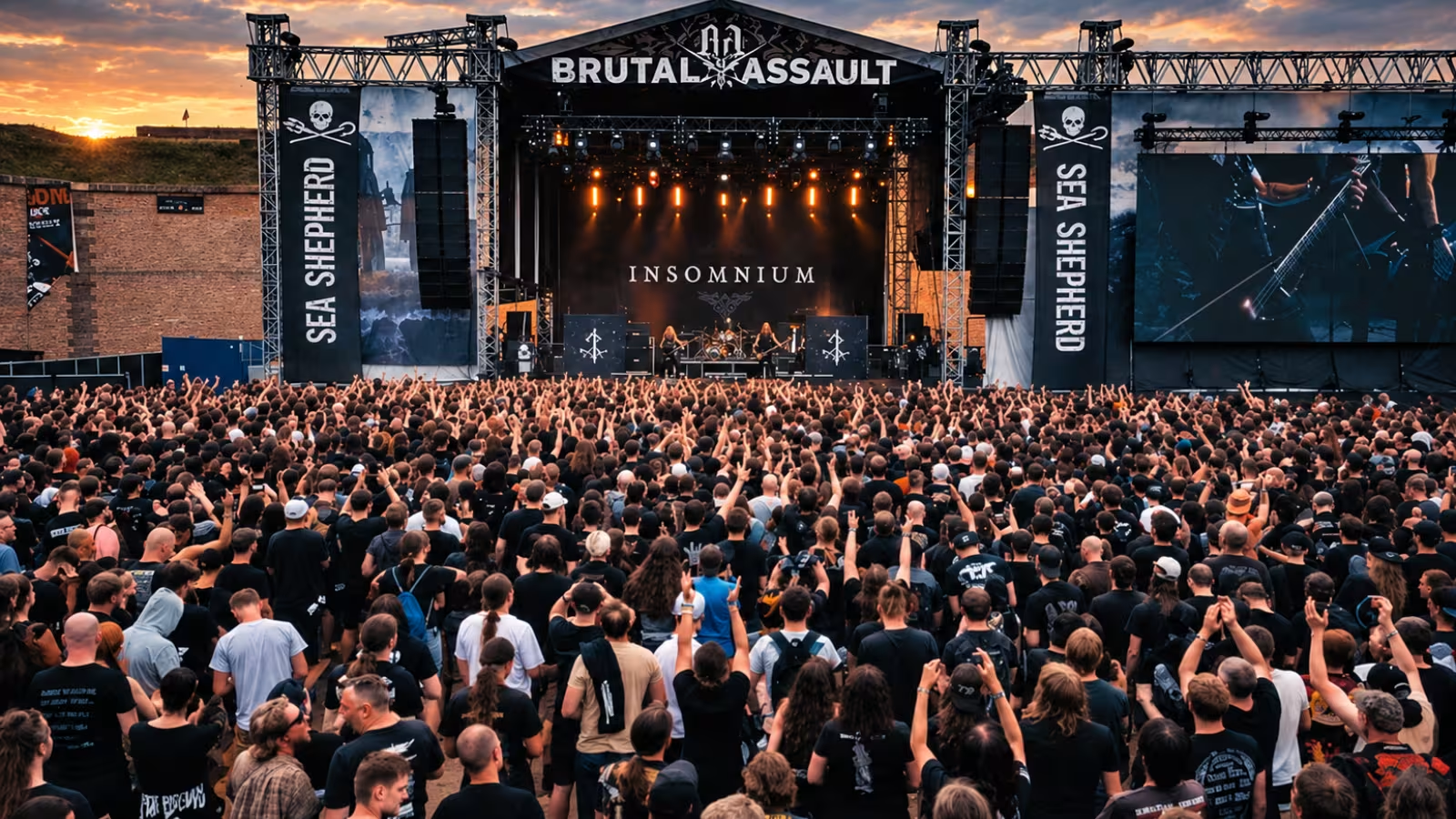
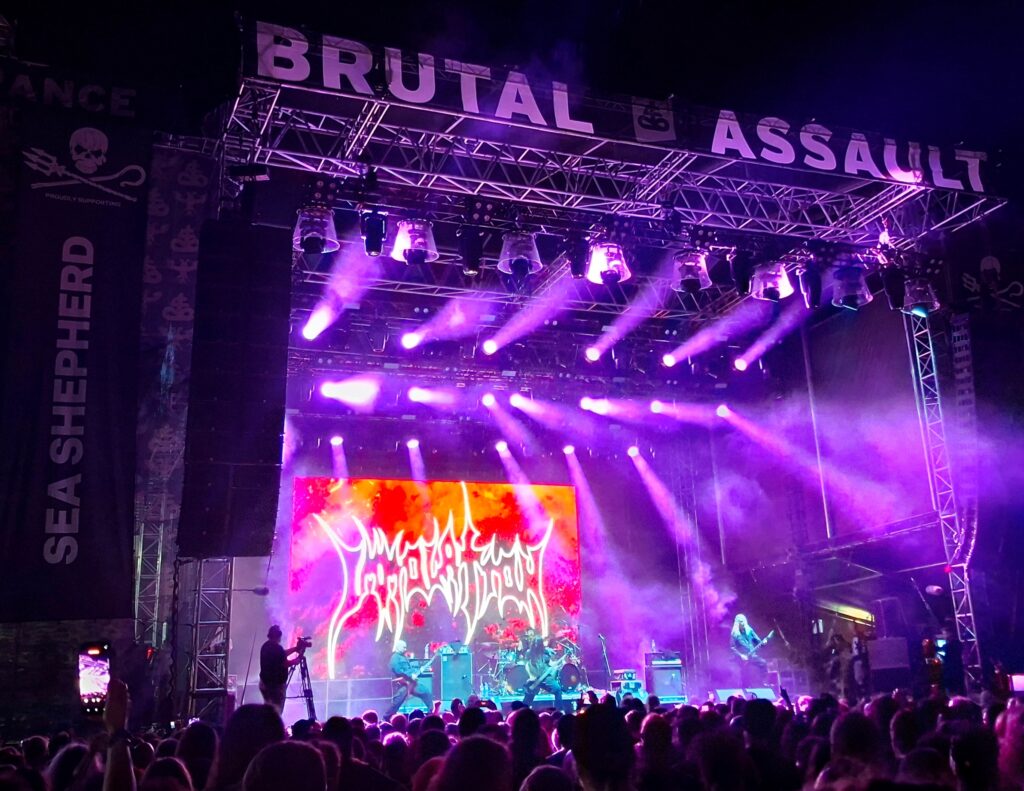
İlksen: Brutal Assault’a henüz gitmedim ama gerçekten çok istiyorum. Festival bir kalede yapılıyor ve metal festivali için oldukça atmosferik bir mekân. Festivalin konsepti yıllar içinde nasıl gelişti? Bugün geldiği noktayı nasıl değerlendiriyorsunuz?
Tomas Fiala: Mekâna 2007’de geldik. İlk yılımızdı.
Bu arada benim Inferno’daki ilk yılım 2008’di. O zaman Suffocation’ın turne menajeri olarak oradaydım. Bu da ilginç bir ayrıntı.
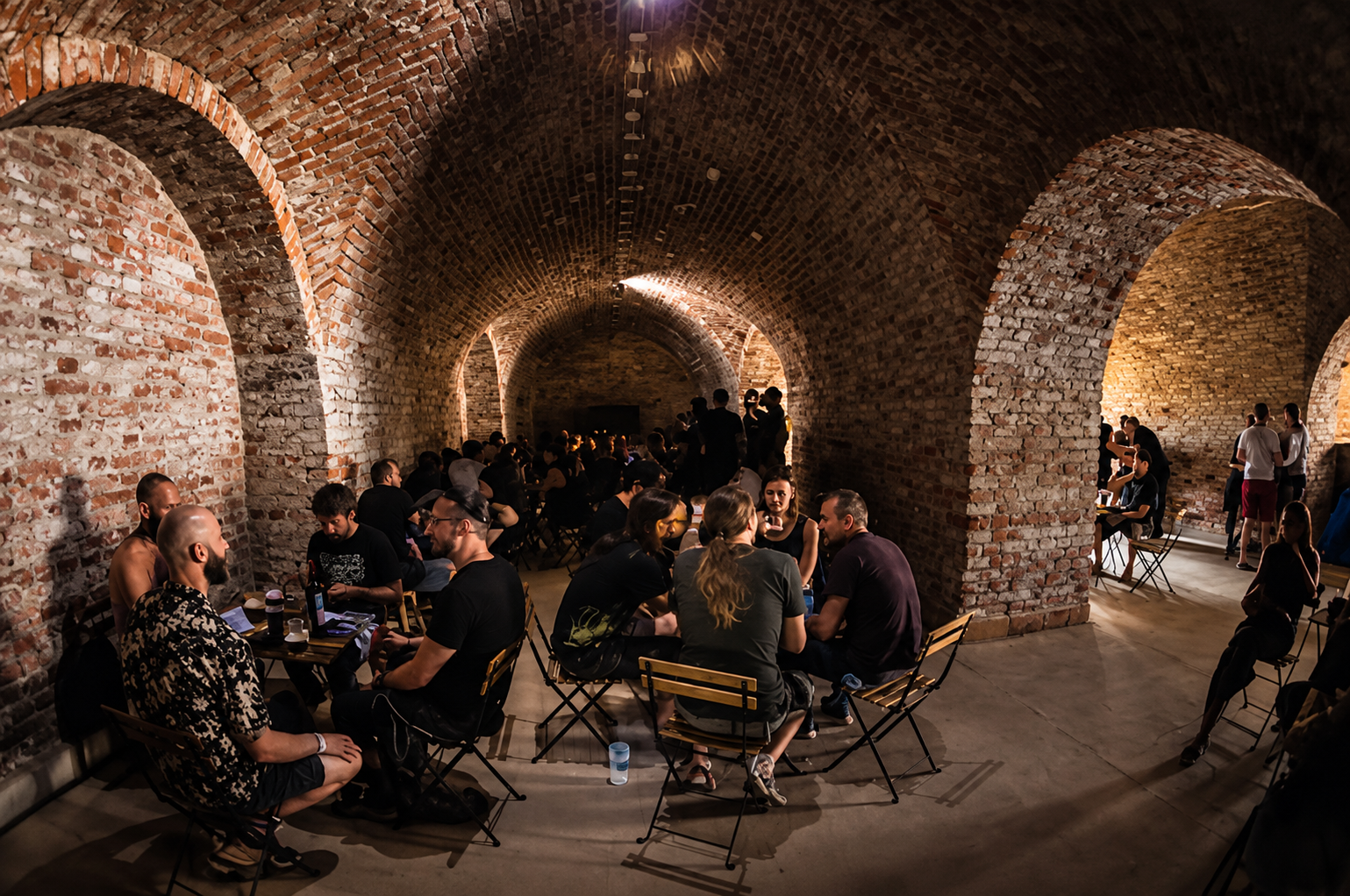
Kaleye ilk geldiğimizde, yeni başlayanlar olarak orayı nasıl kullanacağımızı bilmiyorduk. Birkaç yıl geçti. Sonra kalenin her köşesinin kendi amacı olabileceğini keşfettik ve festivali geliştirmeye devam ettik.
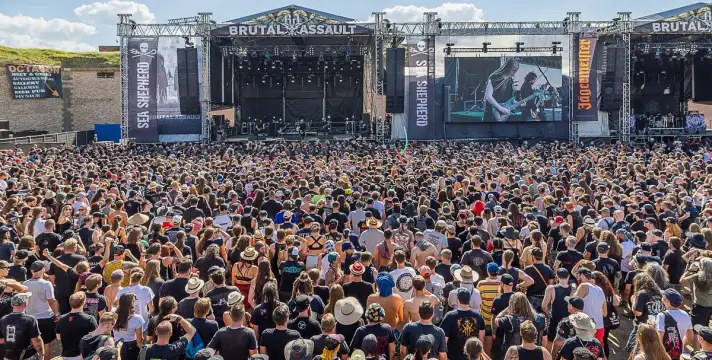
Aradan geçen onca yıldan sonra artık geldiğimiz noktadan neredeyse memnunuz ve insanlar da bunu takdir etmeye başladı. Üst üste üçüncü yıl sold-out olacağız gibi görünüyor. Bu da doğru yönde ilerlediğimizi gösteren iyi bir işaret.
Ama Åsmund’un söylediği gibi, aslında iyi olan şeyi uzun süre yapmaya devam ettik. Her yıl doğru yönde küçük bir adım atıyorsunuz. Yıllar geçtikçe bunun üzerine bir şeyler ekleniyor ve sonunda başarılı olabiliyorsunuz.
“Gitmek isteyeceğim festivali yapmak istiyorum”
İlksen: Peki sizin ilkeleriniz neler? Festivali hazırlarken aklınızdaki ilk şey ne?
Tomas Fiala: Çok basit. Ben bir hayranım ve gitmek isteyeceğim festivali yapmak istiyorum. Temel kuralım bu.
Kendimi rahat hissetmek istiyorum. Kuyruklardan hiç hoşlanmıyorum, o yüzden kuyruk istemiyorum. Meseleye biraz böyle yaklaşmak, insanlara karşı nazik olmak gerekiyor.
İlksen: Yani metal hayranlarının yaptığı bir metal festivali.
Tomas Fiala: Evet, biraz klişe ama öyle olabilir.
İlksen: Ama gerçekten çok güzel.
Bağımsızlık, finansman ve alternatif olmanın değeri
İlksen: Türkiye’de özellikle finansal açıdan her şey çok daha zor. Bosphorus Open Air Metal Festival, gönüllü bir ekibin büyük çabalarıyla, bazı elçiliklerin ve bu yıl da bakanlığın desteğiyle gerçekleştiriliyor.
Ama aynı zamanda böyle bir model festivalin bağımsız kalmasına da yardımcı olabiliyor. Siz ikiniz bağımsızlık ruhu ile ihtiyaç duyduğunuz finansmanı nasıl dengeliyorsunuz? Çünkü fon sağlayanların zaman zaman talepleri veya kısıtlamaları da olabiliyor.
Åsmund Prytz: Bunun Avrupa’da, hatta dünyanın her yerinde yaşandığını görüyoruz: Daha büyük şirketler festivalleri satın alıyor.
Ben kişisel olarak bağımsız müziği ve bağımsız festivalleri yaşatmanın çok önemli olduğunu düşünüyorum.
Inferno’nun temellerini atan Jan-Martin Jensen, ne yazık ki yaklaşık iki yıl önce hayatını kaybetti. Kendisi bağımsız müzik sahnesinden geliyordu. İnsanlara bir alternatif göstermek onun için önemliydi.
Bu ruhu uzun vadede korumak karmaşık. Aynı zamanda zor, çünkü her yerde çok güçlü bir rekabet var. Ama bu iyi bir şey. Ben rekabeti severim, harika bir şey.
Fakat insanların Bosphorus gibi festivallerin önemli olduğunu da görmesi gerekiyor. Alternatif oldukları için önemliler. İnsanların, izleyicilerin ve toplumun ufkunu genişlettikleri için önemliler.
Bu tür festivallerin insanların kendilerini ifade edebilecekleri alanlar olması çok önemli. İnsanların kendilerini daha büyük bir şeyin parçası gibi hissedebilmeleri çok önemli. Bence bu son derece değerli.
Festivallerin geleceği nasıl olacak?
İlksen: Sürdürülebilirlik ve Brutal Assault’un geleceği hakkında ne söyleyebilirsiniz?
Tomas Fiala: Bizim de bazı fonlarımız var ama bunların ilginç bir proje için kullanılması iyi bir şey. Temelde en iyisi kendi ayaklarınız üzerinde durmak ve fonları özel bir proje için özel bir destek olarak kullanmak.
Sürdürülebilirlik açısından bizim en büyük avantajımız biletlerin tükenmesi. Bir talep var ve ne yapmak istediğimizi biliyoruz. O yüzden işler iyi gidiyor.
Ama genel olarak festivallerin bildiğimiz hâliyle ortadan kalkacağına inanıyorum. Gelecek farklı olacak. Genç kuşak festivalleri farklı bir formatta deneyimleyecek.
Yani bizim kuşağımız için bir tür Skansen gibi. Birkaç genç insanı daha festivallere çekmeye çalışabiliriz ama sonuçta bu bizim bakış açımız ve gelecek başka bir şey getirecek.
Şu anda yaptığımız şeyi yapabiliyor olduğumuz için mutlu olmalıyız.
İlksen: Kesinlikle. Belki siz işinizi sürdürdükçe genç kuşaklar da size katılır.
Tomas Fiala: Bu da mümkün. Kendi işinizi en iyi şekilde yapın.
Bence gençler için festival yapmaya çalışmaktansa bu çok daha iyi. Ben gençler için festival yapsam, onu gerçekten hissedebilir miyim, emin değilim. Onların talepleri farklı.
Kendinizi emin hissettiğiniz ayakkabıların içinde olmak çok daha iyi.
İstanbul Avrupa metal haritasında
İlksen: Bosphorus Open Air Metal Festival’i de unutmayalım. Festivalin ilk gününün sonuna geldik. Konferans, tekne ve bugünkü büyük performanslar hakkındaki izlenimleriniz neler?
Åsmund Prytz: Her şey harika. Konferans çok profesyonel, tekne çok eğlenceli ve gerçekten çok iyi bir network fırsatı.
Üstelik ses mükemmel. Mekân da çok profesyonel bir seviyede. Buradaki her şeyi gerçekten takdir etmek gerekiyor.
Çok güzel ve umarım büyümeye devam eder. Çünkü harika bir konsept. İstanbul’un iyi bir metal festivalini hak ettiğine inanıyorum.
Tomas Fiala: Åsmund’un söylediklerine tamamen katılıyorum.
Çok profesyonel bir festival ama aynı zamanda iyi bir aile havası var. İnsanlar arasında sıcak ve dostça bir atmosfer var.
Bu iş için çok büyük çaba harcadıklarını biliyorum. Bunu gerçekten yürekten yaptıkları belli.
Åsmund’un söylediği gibi, İstanbul böyle bir festivali hak ediyor. Bence bu önemli bir festival. Gerçekten bir sonraki seviyede. Toplum açısından da alternatif bir festival olarak önemli.
Gerçekten çok güzel bir şey. Mükemmel bir şey.
İlksen: Umarım Bosphorus Open Air Metal Festival, Avrupa metal festivallerinden söz ettiğimizde haritada yerini alır.
Åsmund Prytz: Alacağına eminim. Çünkü ben Avrupa’nın diğer ucunda, Norveç’ten geliyorum. Avrupa’nın bambaşka bir tarafı.
Ama bunun aynı zamanda bir bağlantı olduğunu da görüyorum. Avrupalı organizatörler ve gruplar bunun başka bölgelere de bağlandığını görmeli. Türkmenistan, Azerbaycan, Ortadoğu… O bölgede İstanbul üzerinden ulaşılabilecek çok şey oluyor.
Bir organizatör açısından da bu çok ilginç. Çünkü yeni pazarlara ulaşabiliriz.
Bu gerçekten çok ilginç.
İlksen: Dünyanın her yerinde çok büyük topluluklar da var. Burada olmak, sizinle tanışmak ve bütün bu grupları görmek gerçekten ilham verici. Umarım daha büyük bir kitle de bu hissi yaşayabilir.
Åsmund Prytz: Bence İstanbul dünyanın her yerinde herkesin bildiği bir şehir. Aynı zamanda insanların ziyaret etmek istediği bir yer.
Bu festivalin güçlü taraflarından biri de bu: Küresel bir şehir olan İstanbul’da gerçekleşiyor. Herkes İstanbul’u biliyor. İnsanlar İstanbul’u ziyaret etmek istiyor.
Benim buraya ikinci gelişim. Bu festival olmasaydı İstanbul’a hiç gelmezdim. Bence pek çok insan da böyle hissedebilir.
İlksen: Eklemek istediğiniz bir şey var mı?
Tomas Fiala: Belki sadece şunu söyleyebilirim: Bu, insanlar için büyük bir fırsat. Festivale gelip şehirde iki-üç gün daha kalabilirler. Bu kombinasyon festival için gerçekten işe yarayabilir.
Bu çok güzel.
Genel olarak Türkiye’nin büyük bir ülke olması da ilginç. Özellikle gençler için metal oldukça önemli. Farklı sorunlarla başa çıkmalarına, psikolojik olarak mücadele etmelerine yardımcı oluyor.
Bu açıdan bakınca Türkiye’deki pazarın gerçekten ilginç olabileceğine inanıyorum ve festivalin büyümesi gerektiğini düşünüyorum.
Yani sağlığımız için de faydalı—ruhsal sağlığımız için.
“Do Your Thing the Best Way”: Inside Europe’s Independent Metal Festival Culture
What makes a metal festival matter beyond its size? Åsmund Prytz of Beyond the Gates and Inferno, and Tomas Fiala of Brutal Assault talk about consistency, independence, younger audiences, the future of festivals and why Istanbul deserves a place on Europe’s metal map.
Meeting two European metal festival promoters in Istanbul—Åsmund Prytz of Norway’s Beyond the Gates and Inferno, and Tomas Fiala of the Czech Republic’s Brutal Assault—offered an opportunity to look beyond individual line-ups and into the culture of festival-making itself.
We spoke during the first day of Bosphorus Open Air Metal Festival, amid the sounds of Moonspell and the traffic of Istanbul. The conversation moved from the particular character of their festivals to the challenges of reaching younger audiences, maintaining independence, finding sustainable funding, and imagining what festivals might look like in the future.
Small in Size, Big in Impact
İlksen: It’s one of the strangest circumstances to have an interview with two promoters from Europe, behind three important metal festivals: Brutal Assault, Beyond the Gates and Inferno. We had the chance to meet during Bosphorus Open Air Metal Festival. Thank you both for giving me the time.
We’re actually next to a highway, so listeners will have to forgive us for the extra noise. We’re trying to avoid missing too much of Moonspell’s set, which is playing right now. So let’s start. What was your first impression of the festival and the city?
Åsmund Prytz: My name is Åsmund Prytz. I come from Norway and I work with Beyond the Gates and Inferno.
When you say “big festivals,” these two are actually kind of small festivals. They have capacities of around 1,500, 2,000 or 2,500 people. But for Norway, that’s kind of big because Norway is a country with not a lot of people.
The other thing is that these festivals are important. They’re always kind of a little bit ahead of many other festivals. They have very good programming, and they’re considered important festivals to attend and visit.
If you want to go and see a metal festival, you should go to one of those festivals.
İlksen: By “big,” I meant big in terms of cultural impact.
Åsmund Prytz: The impact is huge. Size-wise, audience-wise, they’re not the biggest festivals, but they’re very nice festivals to visit and discover new bands at, while also seeing what more experienced bands are doing.
İlksen: And why do you think those festivals have gained importance over all these years?
Åsmund Prytz: I think the key words are “all these years.” They’ve been consistent and doing what they’re doing for many, many years.
Inferno has been going on for more than 20 years, and Beyond the Gates for 15 years. But they’re also building on the history of Bergen in Norway, which has a very strong connection to the roots of black metal.
They’ve been doing this consistently. They’re building on history and legacy, while still trying to involve new bands and new audiences. I think that’s the formula for the success these festivals are having.
Bringing a New Generation In
İlksen: Let’s talk about the audience. Are there new audiences coming in? Are younger generations joining?
Åsmund Prytz: This is always complicated when we talk about metal festivals because, let’s face it, most people are in their 40s or even older.
Beyond the Gates in Bergen is doing something very clever. They try to involve very young people, around 14 to 18 years old, and give them responsibility for promoting their shows, doing the shows and handling everything behind, on and in front of the stage.
You let the young people do it, and it seems to be working quite well. It’s been going on for three or four years now, and people are happy with it.
That’s at least one thing you can do to try to bring a new audience and a younger generation to the festivals.
Learning How to Use a Fortress
İlksen: Brutal Assault—I haven’t been there yet, but I really want to. It looks fantastic. It’s in a castle, in a very moody place to hold a metal festival. How has the concept evolved over the years, and how do you feel about the stage the festival has reached today?
Tomas Fiala: We came to the location in 2007. That was our very first year.
By the way, the first year I was at Inferno was in 2008, when I was there as a Suffocation tour manager. That’s just an interesting thing.
When we first started as newcomers to the fortress, we didn’t know how to use it. It took a few years. Then we figured out that every corner could have its own purpose, and we just tried to evolve the festival.
After many, many years, we’ve reached a stage where we’re nearly happy with where we are, and people have started appreciating it. It looks like we will be sold out for the third year in a row, which is a good indication that it’s going in the right direction.
But, as Åsmund said, we’ve just been doing the right thing for a longer time. Every year you take another small step in the right direction, and after many years you can become successful.
“I Want to Do the Festival I Would Like to Be At”
İlksen: What about your principles? What is the first thing you have in mind when you’re putting the festival together?
Tomas Fiala: It’s very easy. I’m a fan, and I want to do the festival I would like to be at. That’s the basic rule.
I want to feel comfortable. I don’t want any queues because I don’t like queues. You should just be nice and think about it on that level.
İlksen: It’s a metal festival made by metal fans.
Tomas Fiala: Yeah, it’s a little cliché, but it might be.
İlksen: But it is so good.
Independence, Funding and the Value of Alternatives
İlksen: In Turkey, it’s especially difficult in terms of finances and everything else. Bosphorus Open Air Metal Festival has been made with huge efforts by a volunteer team, with some support from embassies and, this year, from the ministry.
At the same time, that kind of model can help a festival remain independent. How do you balance the independent spirit with the funding you seek? Sometimes funders can also have demands or restrictions.
Åsmund Prytz: I think that’s something you see all over Europe and all over the world: bigger corporations buying up festivals.
Personally, I think it’s very important to keep independent music alive and to keep independent festivals alive.
The heart of Inferno was set up by Jan-Martin Jensen, who sadly died almost two years ago. He came from that independent music scene, where it was important to show an alternative to people.
Keeping that spirit in the long run is complicated. It’s also difficult because there’s strong competition everywhere, which is good. I like competition. It’s great.
But people also need to see that festivals like Bosphorus are important. They’re important as alternatives, in the sense that they widen people’s horizons—the horizons of audiences and society.
It’s very important that these festivals can be outlets where people can express themselves and be part of something that feels like a bigger thing. I think that’s super important.
What Does the Future of Festivals Look Like?
İlksen: What can you say about sustainability and the future of Brutal Assault?
Tomas Fiala: We have some funding as well, but it’s good to have it for an interesting project. Basically, the best thing is to rely on yourself and then use funding as special support for a special project.
As for sustainability, our great thing is that we’re sold out. There is a demand, and we know what we want to do. So it’s going well.
But in general, I believe that festivals as we know them are going to cease to exist. The future is going to be different. The younger generation will experience festivals in a different format.
So it’s kind of a Skansen for our generation. We can try to get a few more younger people, but it’s still our point of view, and the future is going to bring something else.
We should be happy that we’re able to do what we do right now.
İlksen: Exactly. So if you maintain your job, maybe younger generations will join you.
Tomas Fiala: That’s also possible. Do your thing the best way.
In my opinion, it’s much better than trying to do a festival for young people. I’m not sure I would feel it. They have different demands.
It’s much better to be in shoes you are sure in.
Istanbul on the European Metal Map
İlksen: Let’s not forget about Bosphorus Open Air Metal Festival. It’s the end of the first day. Please tell us your impressions of the conference, the boat and the first day of these huge performances.
Åsmund Prytz: Everything is great. The conference is very professional, the boat is great fun, and it’s a really good networking opportunity.
Plus, the sound is superb. The venue is on a very professional level, so I just have to admire everything here.
It’s really cool, and I hope it’s going to grow because it’s a great concept. I believe Istanbul deserves to have a good metal festival.
Tomas Fiala: I can just second what Åsmund is saying. I totally underline it, and I’m happy with what he said.
It’s a super-professional festival, but still with a good family vibe—a nice, friendly atmosphere among the people.
I know they’re putting a lot of effort into this thing. They mean it with their heart and soul.
I think, as Åsmund said, Istanbul deserves this kind of festival. I think it’s an important festival. It’s really something that’s on the next level, and it’s important for society as an alternative festival.
It’s a really sweet thing. A perfect thing.
İlksen: And I hope Bosphorus Open Air Metal Festival will be on the map when we’re talking about European metal festivals.
Åsmund Prytz: I’m pretty sure it will, because I’m coming from Norway, which is on the outskirts, at the other end of Europe. It’s a different part of Europe.
But I also see this as a connection. I think European promoters and European bands should see that this is also linked to other regions—Turkmenistan, Azerbaijan, the Middle East. There are a lot of things going on in that area that can be reached from Istanbul.
From a promoter’s perspective, it’s very interesting because we can reach new markets.
That is very interesting.
İlksen: There are huge communities all around the globe as well. It’s so inspiring to be here, to meet you guys and to see all these bands. I hope a bigger crowd will be able to experience that feeling.
Åsmund Prytz: I think Istanbul is a city everybody in the world knows. It’s also a place people would like to visit.
That’s a strong asset of this festival: it’s taking place in a global city like Istanbul. Everybody knows Istanbul. People want to visit Istanbul.
This is my second time here. I would never have been in Istanbul if it wasn’t for this festival. I think a lot of people can have that kind of feeling.
İlksen: Do you have anything to add?
Tomas Fiala: Maybe just that it’s a great opportunity because people can go to the city and stay for another two or three days. The combination can really work well for the festival.
That’s really cool.
And in general, it’s interesting that Turkey is a big country, and metal is pretty essential for young people, especially. It kind of helps them psychologically to deal with different issues.
From that perspective, I believe the market can be really interesting here, and the festival should be growing.
So it’s also beneficial for our health, you know—for mental health.