Image
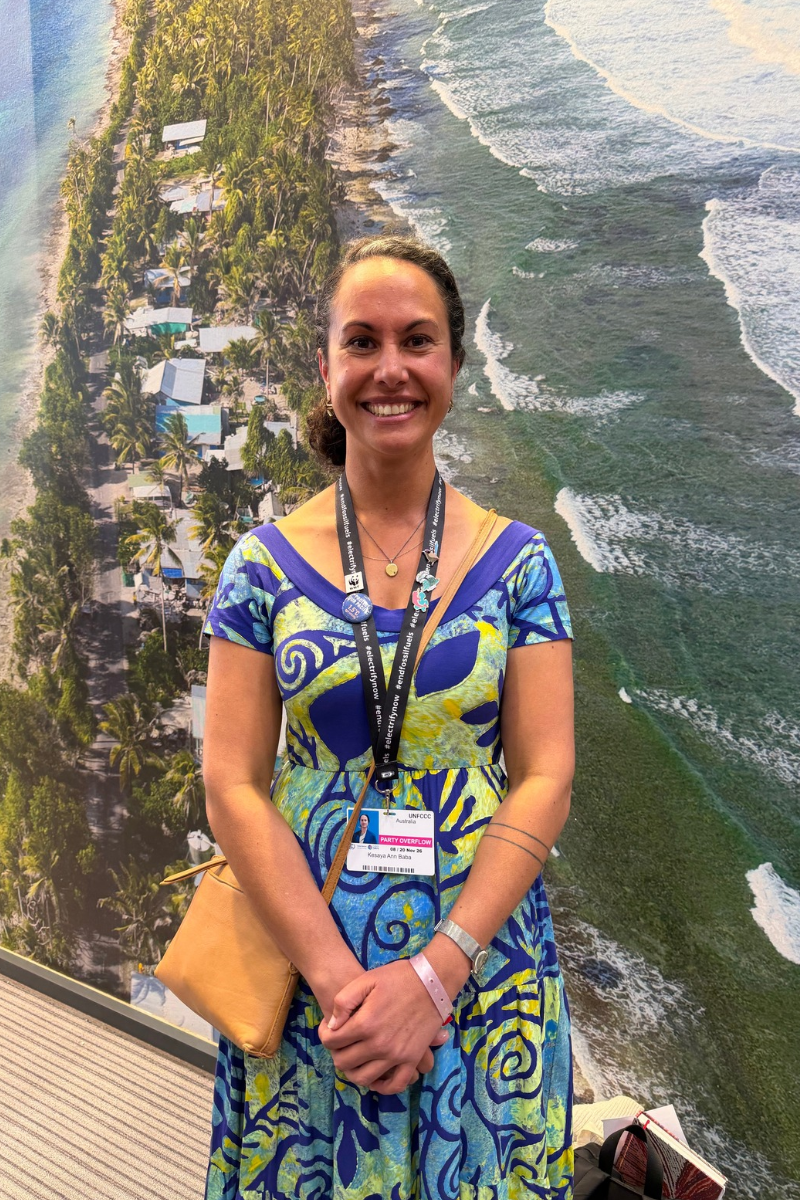
In the COP31 Special Broadcast, Özdeş Özbay speaks with Kesaya Baba from WWF Australia about the impacts of the climate crisis on Pacific Island nations, international initiatives to transition away from fossil fuels, Brazil's roadmap, and expectations for the COP31 negotiations.
Özdeş Özbay: Hi, could you please introduce yourself?
Kesaya Baba: Yes, I'm Kesaya Baba. I'm from WWF Australia. I live in Canberra, on Ngunnawal Country, but I'm originally from Fiji.
Ö.Ö.: You're from Fiji? Okay, that's nice. Could you please tell us how climate change is affecting the Pacific Islands? And also, what are your expectations? I mean, what are the Pacific Islands' expectations for this COP?
K.B.: Absolutely. The impacts of climate change are already being felt very strongly in the Pacific. The Pacific is the region that has contributed the least to this crisis, yet it also has many of the solutions. We have fought for decades for climate action in the multilateral system, but also regionally and at home in our countries. So seeing progress here at COP31 is very, very important to us.
Ö.Ö.: And so the next COP gathering will be held in either Fiji or Tuvalu, right?
K.B.: So next year, Tuvalu will be hosting the second conference on transitioning away from fossil fuels, which is a little bit outside of the COP process, but is very important because it brings together countries that are willing to go a little further in the transition away from fossil fuels. They can go further and faster as coalitions of the willing, or coalitions of the doers, as we say.
Ö.Ö.: Indeed. And how do you think this will impact the final decisions of COP31?
K.B.: We have yet to see that. So there is a lot of discussion about these processes related to the transition away from fossil fuels that are currently taking place outside of the negotiations. And we would very much like to see the COP31 presidency and the president of the negotiations take up some opportunities to really get the transition away from fossil fuels into the text. Meanwhile, we have seen Brazil's roadmap for transitioning away from fossil fuels, and we think this is a very promising move that could lead to more action.
Ö.Ö.: Thank you so much.
K.B.: Thank you.
Who is Keseya Baba?: Keseya Baba is a Fiji-born climate advocate working with WWF Australia. Her work focuses on the impacts of the climate crisis on Pacific Island nations, climate justice, and a just transition away from fossil fuels.